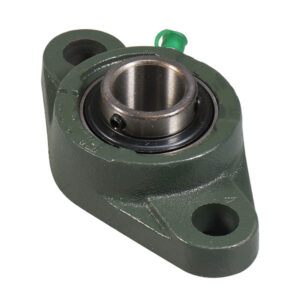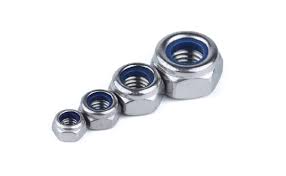
Lock nuts are essential fastening components used to secure bearings, sleeves, and mechanical assemblies on rotating shafts. They help prevent loosening caused by vibration, load changes, and high-speed movement. Moreover, lock nuts improve machine reliability by keeping critical components properly seated.
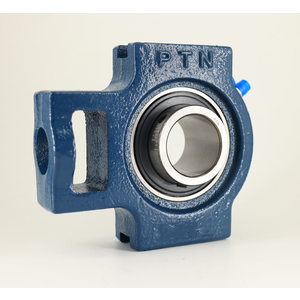
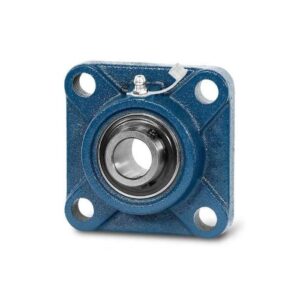
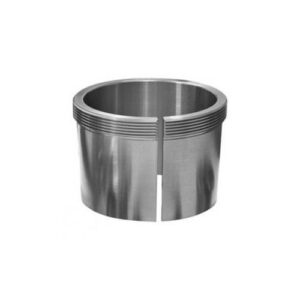
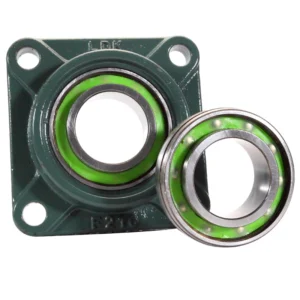
These nuts are typically used with adapter sleeves, withdrawal sleeves, and bearing housings. In addition, they are manufactured from high-strength steel to handle industrial pressure, torque, and heavy operational loads. Their precision threads provide firm and accurate tightening.
Lock nuts are widely used across many industries. For example, they are found in gearboxes, motors, conveyors, compressors, plummer blocks, and agricultural machinery. Their secure grip ensures that bearings remain in the correct axial position. Consequently, machines run smoother, safer, and with less maintenance.
These fastening nuts often include grooves for hook wrenches, making installation simple and efficient. The design allows operators to tighten or remove the nut without damaging the shaft. Furthermore, lock nuts work with lock washers to prevent rotation and maintain a firm hold during operation.
Durability is another major advantage. Made from corrosion-resistant steel, lock nuts maintain their strength even in harsh industrial environments. Their precise design ensures even load distribution across the bearing assembly. This prevents premature wear and keeps machinery running efficiently for longer.
Installation is quick. The nut is threaded onto the shaft or sleeve and tightened using a hook wrench. Once aligned, the nut holds the bearing firmly in place. The secure fit reduces the risk of slippage and protects connected equipment.
Overall, lock nuts offer secure fastening, long service life, and excellent performance in demanding machinery applications. They are essential components for maintaining bearing stability and reliable shaft mounting.