What Are Needle Bearings?
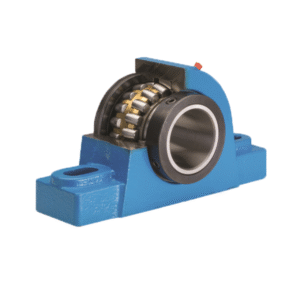
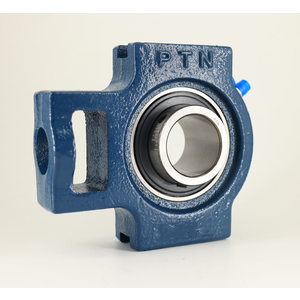
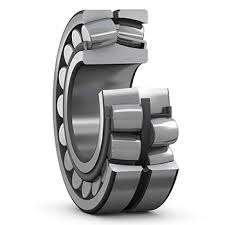
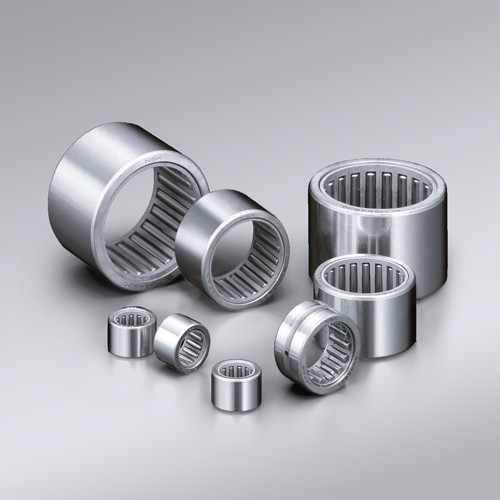
Needle bearings are compact rolling elements designed to handle high radial loads in tight spaces. Their long, slender rollers distribute the load efficiently and reduce friction during rotation. Moreover, they help machines run smoothly even in high-speed or heavy-load environments. Their design allows engineers to use strong bearings without increasing machine size.
Why Industries Prefer Needle Bearings
These bearings work well in applications where limited space and high performance are required together. In addition, they reduce heat, improve energy efficiency, and support precise shaft movement. Industries depend on them for automotive transmissions, construction machinery, pumps, compressors, two-wheelers, and CNC equipment.
For example, gearbox manufacturers rely on needle bearings for their ability to manage continuous radial loads. Consequently, machines achieve better durability and lower maintenance downtime.
Types and Key Advantages
Needle bearings are available in several forms, such as drawn-cup designs, cage-type rollers, full-complement structures, and solid-ring configurations. Each type serves different load, speed, and housing requirements.
Their hardened steel rollers offer excellent shock resistance and long service life. Furthermore, modern sealing systems keep contaminants away and maintain clean lubrication, ensuring smooth operation in dusty or high-temperature environments.
These bearings also support tight tolerances. Their compact size lets engineers replace larger bearings without sacrificing performance. This saves space and improves overall system design.
Installation & Maintenance Made Simple
Technicians can install most needle bearings quickly. Many models press-fit directly into housings without special tools. Their accurate geometry keeps shaft alignment stable and reduces operational vibration. Routine lubrication extends service life and ensures consistent performance in industrial settings.